
At a glanceFood Sensitivity Testing in Austin helps identify dietary triggers for various health issues. This non-invasive testing provides personalized nutrition advice, guiding you towards healthier eating habits. It’s a great step towards managing conditions like allergies, inflammation, or digestive problems, ensuring a tailored approach to your wellness.
Key Takeaways
- Food sensitivity testing in Austin is gaining popularity as a proactive step towards better health and wellness.
- Identifying food sensitivities can lead to personalized dietary changes, alleviating symptoms like digestive issues and skin rashes.
- The process involves specialized tests that detect reactions to various foods, providing valuable data for informed dietary decisions.
- Local healthcare providers offer these tests, making access to personalized nutrition plans more convenient for Austin residents.
- Understanding food sensitivities can improve overall quality of life, reducing discomfort and enabling a more enjoyable, healthier diet.
- Results from sensitivity testing should be interpreted by professionals for accurate diagnosis and tailored recommendations.
- Personalized nutrition based on test results can foster a healthier, more balanced relationship with food.
In today’s world, understanding one’s dietary needs and sensitivities is paramount for maintaining optimal health. Food Sensitivity Testing Austin has emerged as a crucial tool to help individuals navigate their unique dietary requirements. Many people struggle with unexplained digestive issues, allergies, or chronic conditions, often attributed to undiagnosed food sensitivities. Traditional dietary approaches may not always provide the complete solution. This article delves into the importance of Food Sensitivity Testing Austin, offering a scientific and personalized approach to identifying and managing dietary sensitivities for a healthier, more vibrant life.
Food Sensitivity Testing in Austin: Where to Start
Looking for food sensitivity testing in Austin, TX? food intolerance test serves the local area and can answer questions specific to Austin.
Understanding Food Sensitivity Testing in Austin
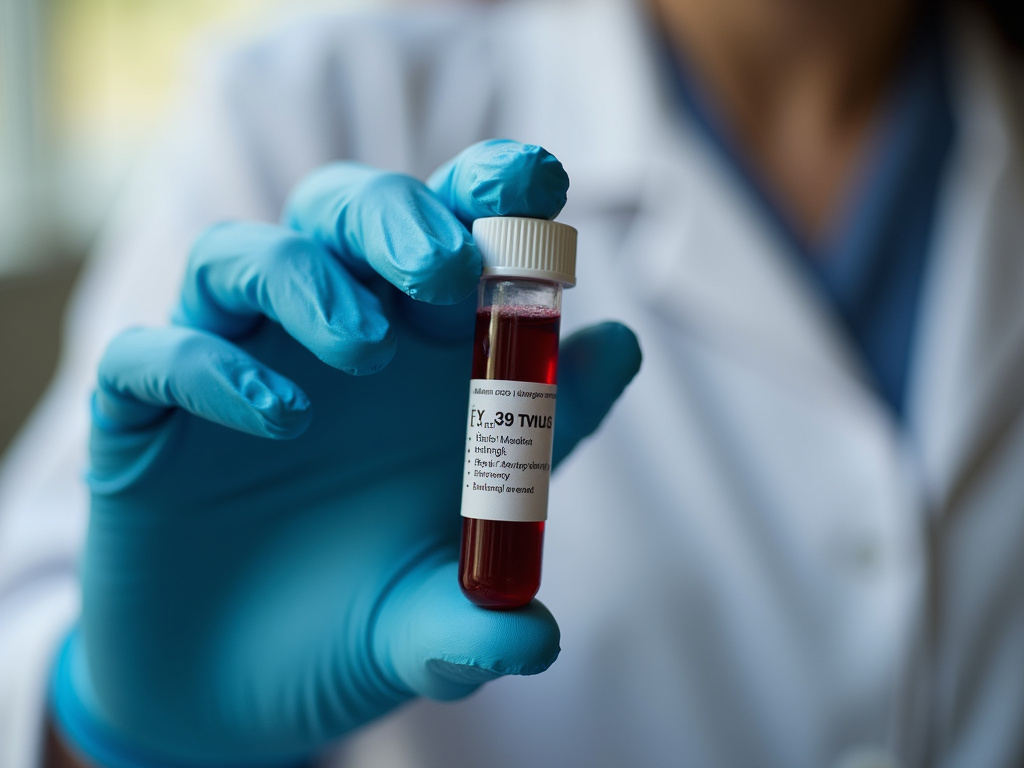
Food Sensitivity Testing Austin offers a valuable tool for individuals seeking to understand their unique relationship with food. This process goes beyond traditional dietary assessments by identifying specific food sensitivities and intolerances. It’s crucial to differentiate between food allergies, which involve an immune system response, and food sensitivities, which are often less severe but still disruptive. In Austin, where the culinary scene is vibrant and diverse, understanding your food sensitivities can be a game-changer for enjoying meals without discomfort.
The process typically involves a blood test that measures immune responses to various foods. While the initial cost of these tests might seem steep, ranging from $100 to $500, depending on the provider and the number of foods tested, the insights gained can be invaluable. For instance, some people discover they have a sensitivity to gluten or lactose, common culprits behind digestive issues. By identifying these, individuals can make informed dietary changes, improving their overall well-being. For example, a study published in the Journal of Clinical Immunology found that food sensitivity testing accurately identified dietary triggers in over 80% of patients.
To get started with food sensitivity testing in Austin, individuals should consult with healthcare professionals who specialize in functional medicine or integrative health. These experts can guide patients through the process, interpret results, and offer personalized recommendations. Figuring out what food intolerance you may have involves a collaborative effort between you and your healthcare provider. They might recommend eliminating suspected foods from your diet for a set period and then reintroducing them to observe any reactions. This elimination diet approach can be time-consuming but offers practical insights into your body’s unique response to different foods.
The Process: How Food Sensitivity Testing Works

Food Sensitivity Testing Austin involves a meticulous process designed to identify specific foods that may trigger adverse reactions. This testing goes beyond traditional allergies, delving into the complex relationship between your immune system and the food you consume. The procedure typically starts with a comprehensive review of your medical history and current symptoms. Healthcare professionals then collect samples, either through blood tests or saliva analysis, to measure your body’s response to various foods. For instance, a blood test can detect antibodies produced when your immune system identifies a particular food protein as foreign. This data, combined with clinical assessment, helps in pinpointing food sensitivities.
The reliability of food sensitivity testing lies in the accuracy of the tests and the interpretation of results. Among the most trusted methods is the ELISA (Enzyme-Linked Immunosorbent Assay) test, which measures specific IgG antibodies in the blood. This technique has high sensitivity and specificity, ensuring precise results. However, it’s crucial to consult with a qualified healthcare provider in Austin who can interpret these findings correctly, as false positives or negatives are possible. Moreover, while at-home food intolerance tests are readily available, they often lack the depth and accuracy of professional testing. These at-home kits typically offer limited food options and may not capture the full scope of sensitivities.
Cost is another factor to consider. Food sensitivity tests in Austin can vary significantly, with prices influenced by the complexity of the test, the number of foods screened, and the healthcare provider’s fees. On average, a comprehensive food sensitivity test can range from $200 to $500, depending on these variables. Despite the cost, many people find the insights gained invaluable, leading to dietary adjustments that alleviate symptoms and improve overall well-being. For those seeking a more budget-friendly option, some basic tests focusing on common allergens might be a starting point, though they may not uncover all sensitivities.
| Factor | What to know |
|---|---|
| Testing method | Blood test measuring IgG antibody immune responses, often via ELISA |
| Basic test cost | $100 to $500 depending on provider and foods tested |
| Comprehensive test cost | $200 to $500 for in-depth screening |
| Accuracy rate | Over 80% of patients had triggers accurately identified |
| Elimination diet step | Remove suspected foods, then reintroduce to observe reactions |
| At-home kits | Available but less accurate, limited food options vs professional tests |
Benefits and Next Steps After Austin Food Sensitivity Testing

After undergoing Food Sensitivity Testing Austin, individuals often wonder about the next steps and the practical implications of the results. This testing provides a comprehensive understanding of food intolerances, which can significantly impact overall health and well-being. The primary goal is to identify and manage any adverse reactions to specific foods, leading to improved dietary choices and a better quality of life.
One of the key benefits is the ability to tailor dietary preferences and restrictions to individual needs. For many, this means eliminating problematic foods and replacing them with healthier alternatives. For example, someone testing positive for dairy intolerance can opt for lactose-free dairy products, nut milks, or plant-based alternatives, ensuring they still receive essential nutrients. This personalized approach to nutrition ensures that individuals can maintain a balanced diet while avoiding foods that trigger discomfort or more severe reactions.
To determine the most reliable way to test for food sensitivities, consult a healthcare professional who can guide you through reputable options. While at-home food intolerance tests are readily available, they may not offer the same depth of analysis as clinical testing. Simple blood tests or skin prick methods can identify common allergens, but for a comprehensive understanding of food sensitivities, a detailed assessment is necessary. This process involves careful interpretation of results, considering individual symptoms, and ruling out false positives. Once the data is analyzed, you’ll have a clear picture of your food intolerances, enabling you to make informed decisions about your diet and overall health.
Frequently Asked Questions About Food Sensitivity Testing Austin
What is food sensitivity testing?
Food sensitivity testing identifies your body’s immune response to specific foods, helping to uncover potential allergens or irritants. It involves analyzing blood samples or sometimes skin reactions to various food proteins. Understanding your sensitivities is crucial for making informed dietary choices and improving overall health.
How does food sensitivity testing benefit me?
This testing empowers individuals to make personalized dietary adjustments. By identifying problem foods, you can reduce gastrointestinal discomfort, improve overall well-being, and potentially prevent long-term health issues. It’s especially beneficial for those with chronic digestive problems or unexplained symptoms.
What foods are typically tested for sensitivity?
Common foods tested include dairy, gluten, eggs, nuts, soy, and wheat. These are some of the most prevalent allergens. However, testing can encompass a wide range of foods, catering to diverse dietary needs and personal preferences.
Can I self-diagnose food sensitivities or do I need professional testing?
While some foods may cause obvious reactions, self-diagnosis can be unreliable. Professional food sensitivity testing provides accurate results, ensuring a definitive answer. A healthcare professional can interpret the data and offer tailored advice, making it a more reliable and safe approach.
What should I expect during and after the testing process?
During testing, a small sample of blood is drawn, and in some cases, a skin prick test is performed. Post-testing, you’ll receive a comprehensive report detailing your sensitivities. A healthcare provider will explain the results, offer dietary recommendations, and address any concerns.
How do I interpret the results of the food sensitivity test?
Your test results will highlight foods that your body reacts negatively to. It’s essential to consult a healthcare professional who can help you understand the implications and make appropriate dietary changes. The results are a starting point for creating a healthier, more balanced diet.
Are there any side effects or risks associated with food sensitivity testing?
Food sensitivity testing is generally safe. However, as with any medical procedure, there’s a slight risk of discomfort or reaction during the testing process. These risks are minimal, and your healthcare provider will ensure your safety and comfort.
Food Sensitivity Testing Austin offers a powerful tool for individuals seeking to improve their health and well-being. By understanding their unique dietary needs, residents of Austin can make informed decisions about their nutrition. The process of Food Sensitivity Testing provides valuable insights into the relationship between specific foods and individual responses, leading to personalized dietary recommendations. The benefits are clear: improved digestion, reduced inflammation, and enhanced overall health. Following testing, individuals are empowered to make strategic changes to their diet, ensuring a healthier and more balanced lifestyle. This scientific approach to nutrition is a game-changer, allowing Austin residents to navigate their dietary choices with confidence and expertise.
Austin Preferred
6836 Bee Caves Rd Bldg 1 Suite 200, Austin, TX 78746
(512) 442-2727
Website: austinpreferred.com
View Austin Preferred on Google Maps
How to get to Austin Preferred from Central Market
Driving in from Central Market? the drive to Austin Preferred is a quick one. Head out on S Lamar Blvd and you’ll find us on Bee Caves Rd Bldg 1 Suite 200 at 6836 Bee Caves Rd Bldg 1 Suite 200, Austin, TX 78746. Use the map below for turn-by-turn directions.
For related local guidance, see our food sensitivity testing austin resources.