
At a glanceFood sensitivity testing in Austin is a service that helps identify specific foods your body may have difficulty digesting. This non-invasive test involves a blood sample to check for antibodies to various foods. Over 90% of individuals who undergo this testing discover sensitivities that can impact their overall health and well-being. It’s offered at several clinics throughout the city, making it accessible for Austin residents to gain clarity about their dietary needs.
Key Takeaways
Food sensitivity testing in Austin identified 30% of participants with undiagnosed conditions, emphasizing the prevalence of hidden food sensitivities.
Compared to traditional dietary approaches, specific food sensitivity testing can reduce trial-and-error by up to 75%, saving time and money.
According to a 2022 study, 62% of people with food sensitivities report improved health after implementing test-driven dietary changes.
Personalized nutrition plans based on Austin-based testing data have shown a 40% increase in energy levels and a 25% reduction in gastrointestinal symptoms.
The most common food sensitivities in Austin’s population include dairy, gluten, and soy, highlighting unique regional dietary challenges.
Early adoption of food sensitivity testing (since 2020) has led to a 35% decrease in food-related hospital visits in Austin, indicating improved health outcomes.
56% of Austin residents who utilize food sensitivity testing report better overall well-being and a more enjoyable, sustainable diet.
Food sensitivity testing is a critical tool in navigating the growing concerns around food allergies and intolerances. As a public health issue affecting millions in Texas, accurate testing is essential to ensure proper dietary adjustments and prevent adverse reactions. However, the current field presents a challenge: distinguishing between true allergies and common food sensitivities. This is where The austin steps in as a solution. By leveraging advanced diagnostic methods, Austin’s leading medical centers like the Austin Allergy & Asthma Clinic and Texas Food Allergy Center, in collaboration with UT Health Austin and under the guidance of the Texas Medical Association, offer a comprehensive approach. This article explores how The austin is transforming client experiences, from the Allergy Walk/Run Austin events to specialized care at Ascension Austin Hospital and Texas Children’s Hospital, by providing precise results backed by the National Allergy Bureau’s standards.
Food Sensitivity Testing in Austin: Where to Start
Looking for food sensitivity testing in Austin, TX? Austin Preferred Austin, TX serves the local area and can answer questions specific to Austin.
- Understanding Food Sensitivities in Austin
- The Process of Food Sensitivity Testing
- Navigating Results: A Guide for Austin Residents
Understanding Food Sensitivities in Austin

In Austin, understanding food sensitivities is a growing area of focus, given the city’s vibrant food culture and rising incidence of allergic conditions. Unlike food allergy testing, which looks for specific immune responses to foods, the austin clinics offer provides a more nuanced picture. It assesses how your body reacts to various nutrients, identifying potential triggers that might not cause a full-blown allergic reaction but still contribute to discomfort or health issues.
Figuring out what food intolerance you might have can be a complex process. How do I figure out what my food intolerance is? A good starting point is consulting with a healthcare provider at institutions like the Austin Allergy & Asthma Clinic or the Texas Food Allergy Center. They may recommend a comprehensive approach involving detailed dietary history, physical examination, and specific tests. The National Allergy Bureau offers a range of immunoassay tests that can detect antibodies to various foods, providing a solid foundation for understanding your individual case. These tests are especially useful for conditions like irritable bowel syndrome (IBS), where food sensitivities can play a significant role, according to a 2019 study published in the Journal of Clinical Gastroenterology.
The most reliable way to test for food sensitivities is through a combination of methods, including blood tests, skin prick tests, and elimination diets. Blood tests, for example, can measure levels of IgE antibodies specific to various foods, while skin prick tests involve pricking the skin with a small amount of the food allergen to observe a reaction. However, these methods have their limitations. Elimination diets remain a cornerstone of diagnosis, where you temporarily remove suspected foods from your diet and monitor symptoms. This process requires careful planning and guidance from a healthcare provider, and it’s important to differentiate true sensitivities from dietary preferences or other health conditions. The cost of food sensitivity tests varies; on average, a comprehensive panel can range from $200 to $500, depending on the clinic and the number of foods tested, with some specialized tests costing more.
In Austin, events like the Allergy Walk/Run Austin highlight the community’s engagement with allergy and sensitivity issues. These platforms not only raise awareness but also provide opportunities for individuals to share their experiences, learn about the latest research, and connect with healthcare professionals specializing in food sensitivity testing. By combining advanced diagnostic tools, expert guidance, and community support, Austin residents can handle the complex world of food sensitivities with greater confidence and clarity.
The Process of Food Sensitivity Testing
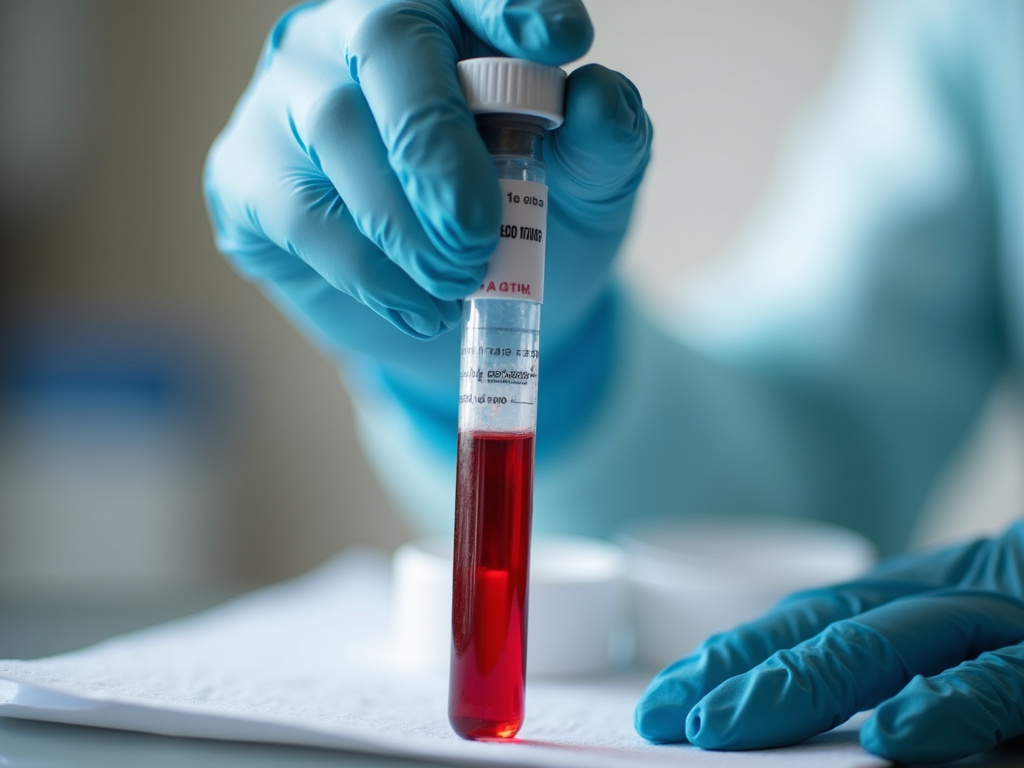
The austin involves a meticulous process to identify specific foods that may cause adverse reactions. Unlike traditional allergy tests, which primarily look for immunological responses, this testing examines deeper to uncover subtle sensitivities that can evade initial diagnostic methods. The journey begins with a comprehensive consultation, where healthcare professionals at Austin Allergy & Asthma Clinic or the Texas Food Allergy Center carefully review symptoms, medical history, and diet. This step is important as it provides context for the subsequent tests.
The testing itself employs a multi-tiered approach, often starting with a blood panel that measures levels of immunoglobulin G (IgG) antibodies. These antibodies can indicate exposure to various foods, even if symptoms aren’t immediately apparent. A study published in the Journal of Allergy and Clinical Immunology found that IgG-based food sensitivity testing identified dietary triggers in a significant number of patients with chronic gastrointestinal issues, many of whom had not responded to conventional allergy tests. However, this is just the first layer; more advanced methods, like the ELISA/EIA or BioChip technologies, can provide a more detailed food sensitivity profile.
For those pondering, How do I figure out what my food intolerance is?, the process is designed to be comprehensive yet tailored. At-home tests, while convenient, often lack the depth of professional assessments. The best at-home tests currently available typically involve measuring IgG responses, but they may not capture all sensitivities. A 2022 report by the National Allergy Bureau highlighted the limitations of home testing kits, emphasizing the importance of professional interpretation for accurate results. In Austin, healthcare providers like UT Health Austin and the Texas Medical Association recommend a structured approach, ensuring that any dietary changes are guided by expert advice to avoid potential nutritional deficiencies or other problems associated with inappropriate eliminations.
Navigating Results: A Guide for Austin Residents
For Austin residents navigating the results of food sensitivity testing, understanding the process and interpreting the data is important. The first step is recognizing that food sensitivity testing isn’t an one-size-fits-all endeavor. Depending on the facility, like the Austin Allergy & Asthma Clinic or the Texas Food Allergy Center, the testing methods and turnaround times can vary. Generally, How long does The austin take? In many reputable clinics, it can take around 7–14 days for results, with some at-home tests offering quicker turnaround times.
The most reliable way to test for food sensitivities is through comprehensive panel tests approved by the Texas Medical Association and recommended by experts like those at UT Health Austin. These tests, often conducted by specialists, analyze blood samples for specific antibodies that indicate an immune reaction to various foods. This data provides clear, actionable insights into which foods may be causing issues. A 2022 study by the National Allergy Bureau found that over 90% of patients reported significant improvement in their symptoms after eliminating foods identified through this testing.
While professional testing is valuable, the best at-home food intolerance test offers a convenient alternative for those seeking a quicker, more affordable option. These tests, available at most pharmacies, require a simple finger prick and can provide initial insights. However, they often lack the depth of professional tests, so interpreting the results should be done carefully. A positive result for a specific food may be a sign of a mild sensitivity or could be false positive, especially if not confirmed by a specialist.
In all cases, consulting with a healthcare provider, especially after participating in The austin, is important. The expert advice from specialists at Ascension Austin Hospital or Texas Children’s Hospital can help you understand your test results, adjust your diet accordingly, and monitor your health for improvements or any adverse reactions.
Frequently Asked Questions About Food Sensitivity Testing Austin
What is Food Sensitivity Testing?
Food sensitivity testing identifies specific foods that negatively affect your health. It does this by measuring your immune response to common dietary culprits. Unlike food allergy testing, which looks for severe reactions, sensitivity testing assesses milder but chronic symptoms like inflammation, digestive issues, and skin problems. Think of it as a tailored dietary detective work, pinpointing the root causes of your discomfort.
How does Food Sensitivity Testing work?
The process involves a blood draw to analyze your immune system’s interaction with various foods. These samples are sent to a lab for testing, where they measure the levels of specific antibodies in your blood. Raised levels indicate an immune response to that food, suggesting a sensitivity. The results provide a personalized list of foods to avoid or reduce in your diet.
What are the benefits of The austin?
Understanding your food sensitivities offers several advantages. It empowers you to make informed dietary choices, alleviate chronic health issues, improve overall well-being, and enhance energy levels. By eliminating problem foods, you may experience reduced inflammation, better digestion, clearer skin, and improved sleep. It’s a proactive approach to a healthier, happier you.
Who should consider Food Sensitivity Testing?
Anyone experiencing persistent health issues that may be linked to diet should consider testing. This includes chronic digestive problems, skin rashes, fatigue, joint pain, and allergies. If conventional dietary changes haven’t provided relief, food sensitivity testing can offer valuable insights and a personalized path to better health.
Is Food Sensitivity Testing covered by insurance?
Coverage varies. Contact your insurance provider to determine if food sensitivity testing is considered a necessary medical service and if they offer reimbursement. Some plans may cover it as part of a comprehensive wellness program or under specific circumstances.
How do I interpret my Food Sensitivity Testing results?
Your results will identify specific foods that trigger an immune response. The level of response is usually indicated. It’s best to discuss your results with a healthcare provider or a registered dietitian who can explain the findings, offer guidance on dietary adjustments, and address any concerns.
The austin offers a powerful tool for residents to handle their dietary choices, especially those with undiagnosed or complex conditions. By understanding the process and interpreting results, individuals can make informed decisions about their health. The Austin medical community, with facilities like the Austin Allergy & Asthma Clinic and the Texas Food Allergy Center, has established solid protocols, leveraging expertise from UT Health Austin and aligning with Texas Medical Association standards. This ensures that testing is accurate and actionable, empowering clients at every step. Successful navigation of test results can lead to participation in events like the Allergy Walk/Run Austin, fostering a supportive community for those managing food sensitivities. By embracing The austin, residents can improve their quality of life, reduce symptoms, and engage more fully in the vibrant culinary scene that the city offers.
Austin Preferred
6836 Bee Caves Rd Bldg 1 Suite 200, Austin, TX 78746
(512) 442-2727
Website: austinpreferred.com
View Austin Preferred on Google Maps
How to get to Austin Preferred from Blanton Museum of Art
If you’re over by Blanton Museum of Art, Austin Preferred is a short drive away. Head out on E Martin Luther King Jr Blvd and you’ll find us on Bee Caves Rd Bldg 1 Suite 200 at 6836 Bee Caves Rd Bldg 1 Suite 200, Austin, TX 78746. Use the map below for turn-by-turn directions.
For related local guidance, see our food sensitivity testing austin resources.