
At a glanceFood sensitivity testing in Austin helps identify foods that negatively affect your health. This process involves analyzing your immune response to various foods, pinpointing specific triggers. It’s a crucial step for people experiencing digestive issues, skin problems, or chronic conditions. In Austin, experts use advanced methods like blood tests or skin prick tests to deliver accurate results, guiding personalized dietary changes for improved well-being.
Key Takeaways
- Food sensitivity testing in Austin can identify hidden food triggers, helping individuals manage chronic conditions and improve overall health.
- The process involves analyzing a person’s immune response to various foods, offering tailored dietary recommendations for better nutrition and quality of life.
- While not a substitute for a diagnostic, it provides valuable insights for individuals experiencing gastrointestinal distress, skin rashes, or other symptoms that may be food-related.
- In Austin, a growing interest in holistic wellness has led to an increased demand for food sensitivity testing, empowering individuals to take charge of their dietary needs.
- The test results can be life-changing, allowing people to avoid foods that inflame the body, leading to reduced symptoms and improved energy levels.
- When choosing a food sensitivity testing service in Austin, look for reputable labs that use reliable, scientific methods for accurate results.
- Understanding individual food sensitivities can be a powerful tool for managing allergies, autoimmune disorders, and even weight gain, offering a personalized path to better health.
In Austin, food sensitivities are a growing concern, impacting the health and well-being of many residents. The problem lies in the complexity of the human digestive system and the vast array of potential allergens in our diets. Traditional methods often fail to provide clear answers, leading to ongoing health issues. Food Sensitivity Testing Austin offers an advanced solution.
This testing, available at reputable clinics like the Austin Allergy & Asthma Clinic and Texas Food Allergy Center, leverages advanced technologies and expert medical knowledge. By pinpointing specific food triggers, individuals can make informed dietary changes, working with healthcare professionals from UT Health Austin and guided by the Texas Medical Association’s standards. Events like the Allergy Walk/Run Austin further raise awareness, empowering the community to manage their health effectively.
Food Sensitivity Testing in Austin: Where to Start
Looking for food sensitivity testing in Austin, TX? food intolerance test serves the local area and can answer questions specific to Austin.
- Understanding Food Sensitivities: Austin's Approach
- Testing Methods: Austin's Food Sensitivity Testing
- Interpreting Results: Navigating Austin's Food Sensitivity Data
Understanding Food Sensitivities: Austin's Approach

Understanding food sensitivities is a critical part of navigating health and wellness in Austin, where a growing number of residents are seeking solutions to their gastrointestinal discomfort and other symptoms linked to potential food intolerances. Unlike food allergy testing, which looks for specific immunological reactions, food sensitivity testing Austin focuses on identifying triggers through non-invasive methods, such as blood panels, stool tests, or skin prick tests. This approach allows for a more nuanced understanding of individual responses to various foods, enabling personalized dietary adjustments.
In Austin, several medical institutions and clinics offer advanced food sensitivity testing services. The Austin Allergy & Asthma Clinic, in collaboration with the Texas Food Allergy Center, employs the latest technologies to diagnose conditions like irritable bowel syndrome (IBS), which is often linked to food sensitivities. UT Health Austin and Texas Medical Association also emphasize the importance of these tests in managing chronic health issues. The process typically begins with a consultation to review symptoms and dietary history, followed by the selection of appropriate testing methods. While the initial consultation and testing can be relatively straightforward, interpreting results requires expertise. This is where the guidance of a qualified healthcare provider becomes invaluable.
The question of "Is Food Sensitivity Testing Austin worth it?" is a common one among residents. Given the potential benefits in managing discomfort and improving overall well-being, the answer is often affirmative. However, the cost of these tests can vary; blood panels or more comprehensive testing might range from $200 to $500 or more, depending on the provider and the number of foods tested. Understanding what your insurance covers is crucial before proceeding. Ascension Austin Hospital and Texas Children’s Hospital offer testing packages and can provide guidance on insurance coverage. The National Allergy Bureau also offers resources to help consumers navigate these services.
Determining your specific food intolerance involves a step-by-step process. Start by keeping a detailed food diary to log what you eat and any symptoms that arise. This can help identify patterns and potential triggers. Then, discuss these findings with your healthcare provider, who can recommend appropriate testing. A skin prick test for dairy might reveal a sensitivity not immediately apparent through diet alone. By combining these practical steps and expert guidance, Austin residents can gain valuable insights into their dietary needs, leading to improved health and quality of life.
Testing Methods: Austin's Food Sensitivity Testing

Food Sensitivity Testing Austin offers a range of methods to accurately identify food intolerances. One of the most reliable and comprehensive options is the ELISA (Enzyme-Linked Immunosorbent Assay) test, which checks for specific antibodies in the blood that indicate an immune response to particular foods. This test is often recommended by experts at facilities like the Austin Allergy & Asthma Clinic and the Texas Food Allergy Center.
When considering at-home food intolerance tests, it’s crucial to select a reputable brand. Look for tests that have been validated by independent studies and recognized by bodies like the National Allergy Bureau. These tests typically involve collecting a sample (often a finger prick) and sending it to a lab for analysis. While they offer convenience, they might not be as precise as in-clinic testing, so interpreting results requires care. Some at-home tests may flag false positives, leading to unnecessary dietary changes.
The duration of Food Sensitivity Testing Austin varies based on the chosen method. In-clinic tests, such as the ELISA, usually take one to two days from the initial visit to receive and review results. For at-home tests, processing times can range from a few days to over a week, depending on the lab. Regardless of the method, understanding the results requires the expertise of a healthcare professional. They can help interpret the data, determine the next steps, and develop a personalized dietary plan to manage any sensitivities. A doctor at UT Health Austin might advise dietary adjustments or refer you to a specialist based on the test outcomes.
Getting tested for food intolerance involves a simple process. Start by consulting with your primary care physician or an allergist. They can guide you in choosing the most suitable test and refer you to a reputable clinic or lab in Austin, such as Ascension Austin Hospital or Texas Children’s Hospital. During the consultation, discuss your symptoms, dietary concerns, and any recent changes in your diet or lifestyle. This information will help narrow down the potential triggers and ensure the testing process is tailored to your specific needs.
| Factor | What to know |
|---|---|
| Testing Methods | Blood panels, skin prick tests, stool tests, and ELISA antibody testing |
| ELISA Test | Checks blood antibodies for immune response to specific foods |
| At-Home Tests | Finger-prick sample sent to lab; convenient but may give false positives |
| Cost Range | Blood panels or comprehensive testing cost $200 to $500 or more |
| Result Turnaround | In-clinic tests take one to two days; at-home tests take days to a week |
| First Step | Keep a food diary to track meals and symptoms before testing |
Interpreting Results: Navigating Austin's Food Sensitivity Data
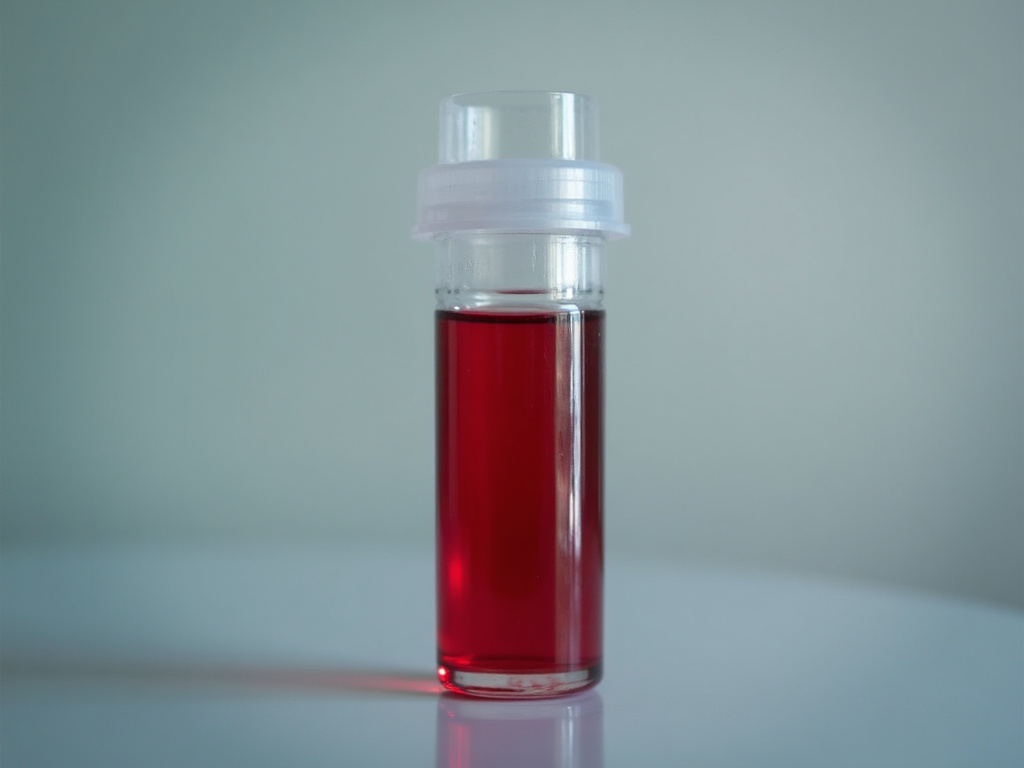
Interpreting the results of Food Sensitivity Testing Austin is a crucial step in understanding your dietary needs. The process involves reviewing the data collected from various food challenges or blood tests. The key is to identify which foods your body reacts negatively to and to what degree. This information is not always straightforward, as sensitivity levels can vary widely. A positive reaction to a food might be minimal or significant, and these variances are essential to consider.
In Austin, a typical Food Sensitivity Testing process takes one to two days, from initial consultation to final analysis. It’s important to choose a reputable clinic like the Austin Allergy & Asthma Clinic or Texas Food Allergy Center, where experts can accurately interpret the results. The Texas Medical Association recommends seeking professionals who are well-versed in the latest research and guidelines. Avoid common pitfalls by understanding that sensitivity doesn’t always equate to allergy; some people may have a mild reaction to a food but not be allergic. This distinction is vital, as it guides personalized dietary changes rather than widespread eliminations.
Whether Food Sensitivity Testing Austin is worth the investment depends on your goals. For individuals struggling with chronic symptoms like inflammation, rashes, or digestive issues, it can be a valuable tool for identifying the root cause. However, those with mild or seasonal symptoms might find other diagnostic methods more efficient. The National Allergy Bureau offers resources to help patients navigate these options. Remember, the process isn’t just about finding culprits; it’s about navigating your unique relationship with food. A successful outcome is one that empowers you to make informed, sustainable dietary choices, avoiding foods that cause issues without unnecessary restrictions.
What is food sensitivity testing?
Food sensitivity testing is a process that identifies foods that negatively affect your health. It does this by measuring how your body responds to various foods, helping to pinpoint specific triggers that may be causing gastrointestinal issues, skin problems, or other symptoms. This information is crucial for eliminating problematic foods from your diet and improving overall well-being.
How does food sensitivity testing work?
The testing typically involves a blood panel that checks for IgG antibodies specific to various foods. High levels of these antibodies indicate a sensitivity or allergy to that particular food. The results, along with your symptoms and medical history, are then interpreted by a healthcare professional to determine which foods should be avoided.
What conditions can food sensitivity testing help with?
Food sensitivity testing can aid in managing a range of health issues, including digestive disorders (like IBS), skin rashes, asthma, chronic fatigue, and even behavioral problems in children. By identifying and avoiding problem foods, individuals can often see improvements in their primary condition and overall quality of life.
Should I consult a doctor before getting tested?
Absolutely. Consulting with a healthcare professional before undergoing food sensitivity testing is essential. A doctor can help determine if the testing is appropriate for you, interpret the results, and make personalized dietary recommendations based on the outcome. They can also rule out other potential causes of your symptoms.
Can I do the testing at home, or do I need to go to a clinic?
In Austin, most food sensitivity testing is done at a clinical setting due to the need for accurate collection and processing of samples. However, some at-home testing kits are available, offering a more convenient option. These kits typically involve a blood draw at home, followed by mailing the sample to a lab for analysis. Always consult with a healthcare provider before proceeding with any home testing.
What happens after I receive my test results?
After receiving your test results, you’ll have a comprehensive understanding of your food sensitivities. Your healthcare provider can then help you create a personalized diet plan, suggesting alternative foods and strategies to manage your symptoms. Regular check-ins can help monitor your progress and make adjustments as needed.
Food Sensitivity Testing Austin offers a comprehensive approach to understanding and managing dietary restrictions. By employing advanced testing methods, Austin’s healthcare professionals, such as those at the Austin Allergy & Asthma Clinic and Texas Food Allergy Center, ensure accurate results. Interpreting these results, as discussed by UT Health Austin and the Texas Medical Association, allows individuals to make informed decisions about their diet, potentially improving overall health and quality of life.
The process begins with understanding the unique challenges of food sensitivities, which can range from mild discomfort to severe allergic reactions. The National Allergy Bureau’s support and initiatives, like the Allergy Walk/Run Austin, further underscore the importance of this testing. Through careful analysis of test outcomes, individuals can identify trigger foods and implement necessary dietary changes. This proactive approach not only alleviates symptoms but also reduces the risk of long-term health issues, as evidenced by success stories from clients at Ascension Austin Hospital and Texas Children’s Hospital.
Practical next steps include consulting with healthcare providers and nutritionists to develop personalized meal plans. By embracing Food Sensitivity Testing Austin, individuals can regain control of their dietary choices and lead healthier lives, backed by expert knowledge and advanced science.
Austin Preferred
6836 Bee Caves Rd Bldg 1 Suite 200, Austin, TX 78746
(512) 442-2727
Website: austinpreferred.com
View Austin Preferred on Google Maps
How to get to Austin Preferred from Butler Metro Park
Driving in from Butler Metro Park? Austin Preferred is close by. Head out on Barton Springs Rd and you’ll find us on Bee Caves Rd Bldg 1 Suite 200 at 6836 Bee Caves Rd Bldg 1 Suite 200, Austin, TX 78746. Use the map below for turn-by-turn directions.
For related local guidance, see our food sensitivity testing austin resources.